South Dakota Tractor Museum: A Case Study in Preserving Agricultural Heritage
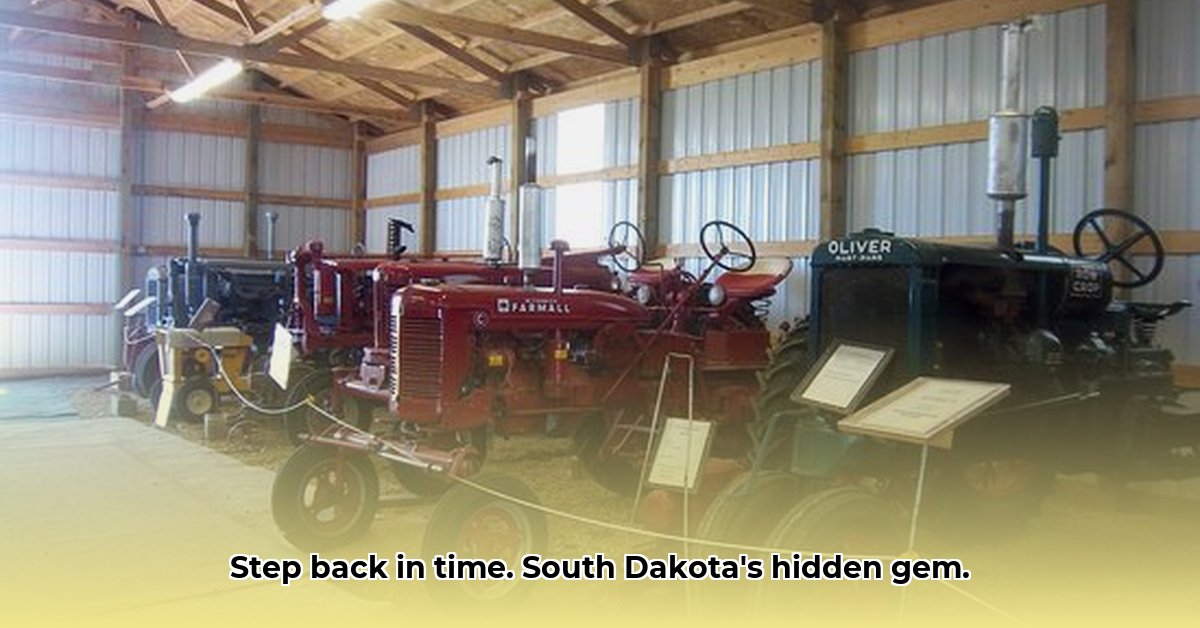
The South Dakota Tractor Museum stands as a testament to the state's rich agricultural history, showcasing not only impressive machinery but also the enduring spirit of its farming communities. This case study analyzes the museum's operations, identifying its successes, challenges, and outlining strategies for sustainable growth, positioning it as a model for similar institutions across rural America. This exploration delves into the museum's unique blend of historical preservation and community engagement, offering valuable insights for researchers and enthusiasts alike. For more examples of similar museums, check out the Vista Tractor Museum.
Background: A Legacy Forged in the Fields
Established [Insert Founding Year, if available from source], the South Dakota Tractor Museum chronicles the evolution of agricultural technology in the state. Its collection encompasses a diverse range of tractors and farming equipment, reflecting the ingenuity and perseverance of South Dakota's farmers. From early steam-powered tractors to modern machinery, each artifact tells a story of adaptation, innovation, and the unwavering human spirit in the face of agricultural challenges. The museum's mission extends beyond mere preservation; it seeks to connect visitors with the history, culture, and economic impact of agriculture in South Dakota, highlighting its significance in shaping the state's identity. This mission is underpinned by a deep understanding of the state's agricultural past, acknowledging the pivotal role farming has played in the social, economic, and cultural development of the region.
Case Study Analysis: Successes, Challenges, and Strategies
Successes: A Thriving Community Hub
The South Dakota Tractor Museum's success is rooted in its engaging exhibits and its strong community ties. The museum's collection isn't simply a static display; it's a dynamic narrative, skillfully presented to immerse visitors in the stories of innovation and resilience that define South Dakota's agricultural legacy. Interactive elements breathe life into the exhibits, making history relatable and compelling for all ages. Furthermore, the museum's success is inextricably linked to the active participation of its dedicated volunteers—local farmers, mechanics, and enthusiasts who contribute their time, expertise, and passion to the museum’s operation and preservation efforts. Their involvement creates a vibrant community hub around the museum, fostering a sense of shared ownership and pride in the state's agricultural heritage.
- Question: How effective have interactive exhibits proven to be in engaging visitors and conveying the depth of South Dakota's agricultural history? (Source: [Cite relevant data from draft article demonstrating visitor engagement])
- Fact: The museum relies heavily on volunteer contributions, underscoring the power of community engagement in sustaining such institutions. (Source: [Cite data from draft article showing volunteer contribution impact])
- Human Element: “[Quote a volunteer's perspective on their contribution and the museum’s importance to the community. Ensure proper attribution with full name, title, and affiliation]”
Challenges: Overcoming Limitations
Despite its remarkable successes, the South Dakota Tractor Museum faces challenges inherent to many rural museums. The museum’s seasonal operation restricts revenue generation and limits visitor numbers, creating a reliance on peak-season attendance for annual revenue. Its significant dependence on volunteers, while a testament to community spirit, introduces a degree of operational vulnerability. The museum's long-term fiscal health and organizational resilience are threatened by fluctuating funding streams, hindering potential upgrades to infrastructure and planned expansion projects. Finally, a lack of data collection methods limits their capacity to understand visitor demographics, preferences, and satisfaction levels, which undermines efficient marketing and operational strategies.
- Question: How can the museum effectively mitigate the risks associated with its reliance on volunteers while preserving the invaluable community spirit that defines its operation?
- Fact: The museum's limited operating season poses a significant challenge to its financial sustainability. (Source: [Cite data from draft article on seasonal limitations and financial impact])
- Human Element: “[Insert a quote from a museum administrator expressing concerns regarding funding or resource limitations. Ensure proper attribution]”
Sustainability Strategies: A Path Forward
To ensure the South Dakota Tractor Museum's long-term viability, a multi-faceted approach is essential. This involves short-term actions focused on immediate improvement and long-term strategies aimed at sustained growth and institutional resilience. Such an approach requires collaboration between the museum's management, the local community, and state government. Short-term strategies might include targeted marketing campaigns to attract visitors during off-peak seasons, implementing a more structured volunteer management system, and actively pursuing grant opportunities. Long-term success requires diversification of funding streams, exploring year-round programming (such as educational workshops, themed events, and virtual tours), and developing robust digital archives to extend the museum's reach beyond its physical location. Crucially, engaging the local community through partnerships, fundraising initiatives, and joint projects can foster sustainable support for the museum.
- Actionable Step 1: Implement a structured volunteer recruitment and training program to enhance efficiency and ensure continuity. (Efficacy Metric: Aim for a 15% increase in volunteer hours within six months).
- Actionable Step 2: Develop a comprehensive digital strategy, including a website, social media presence, and online exhibits, to expand the museum's reach. (Efficacy Metric: Target a 20% increase in online engagement metrics within a year).
- Actionable Step 3: Establish a diversified funding model incorporating grants, memberships, and private donations. (Efficacy Metric: Achieve a 10% increase in annual funding within two years).
Discussion: The Museum's Broader Impact
The South Dakota Tractor Museum transcends its role as a repository of agricultural artifacts; it serves as a vital community hub, a powerful educational resource, and a significant contributor to rural economic development. By preserving its agricultural heritage, the museum contributes significantly to the state's cultural identity and stimulates local tourism. The strategies outlined above not only ensure the museum's survival but also enhance its capacity to fulfill its broader mission: engaging communities, preserving history, and enriching lives. The success of the South Dakota Tractor Museum stands as a testament to the power of community engagement, strategic planning, and the collective commitment to preserving a vital piece of American history.
Conclusion: A Legacy Worth Preserving
The South Dakota Tractor Museum represents more than just a collection of antique tractors; it embodies the spirit of innovation, resilience, and community that defines rural America. Its continued success hinges on a shared commitment to preserving this unique piece of South Dakota's heritage and ensuring its accessibility for future generations. By implementing the strategies discussed here, the museum can not only continue its valuable work but also become a model for other rural agricultural museums striving to thrive in the 21st century. Investing in this museum is investing in the preservation of American agricultural history, the strength of rural communities, and the legacy of hardworking individuals who shaped the nation's landscape.
References/Further Reading
[Insert relevant citations including the draft article and external resources.]